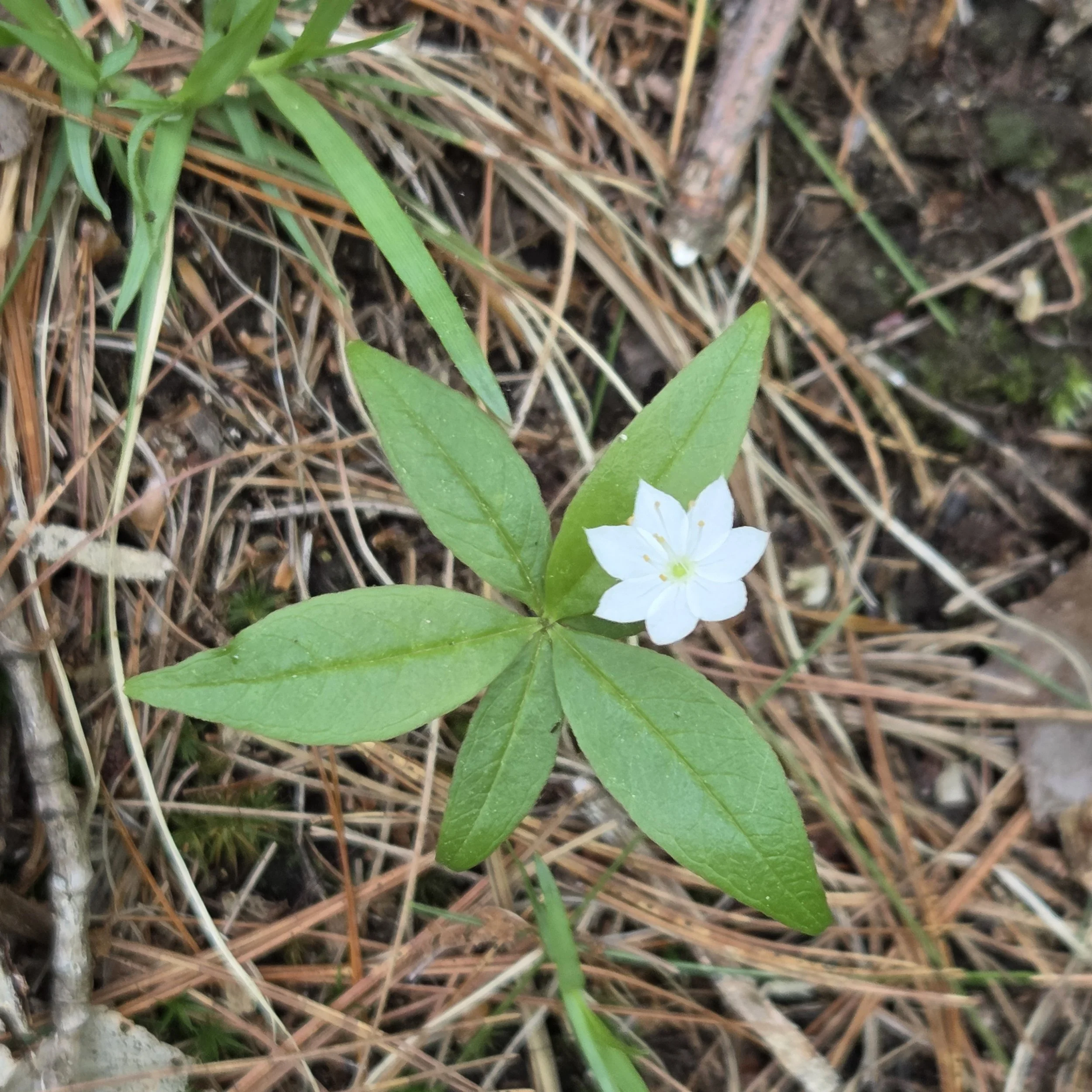
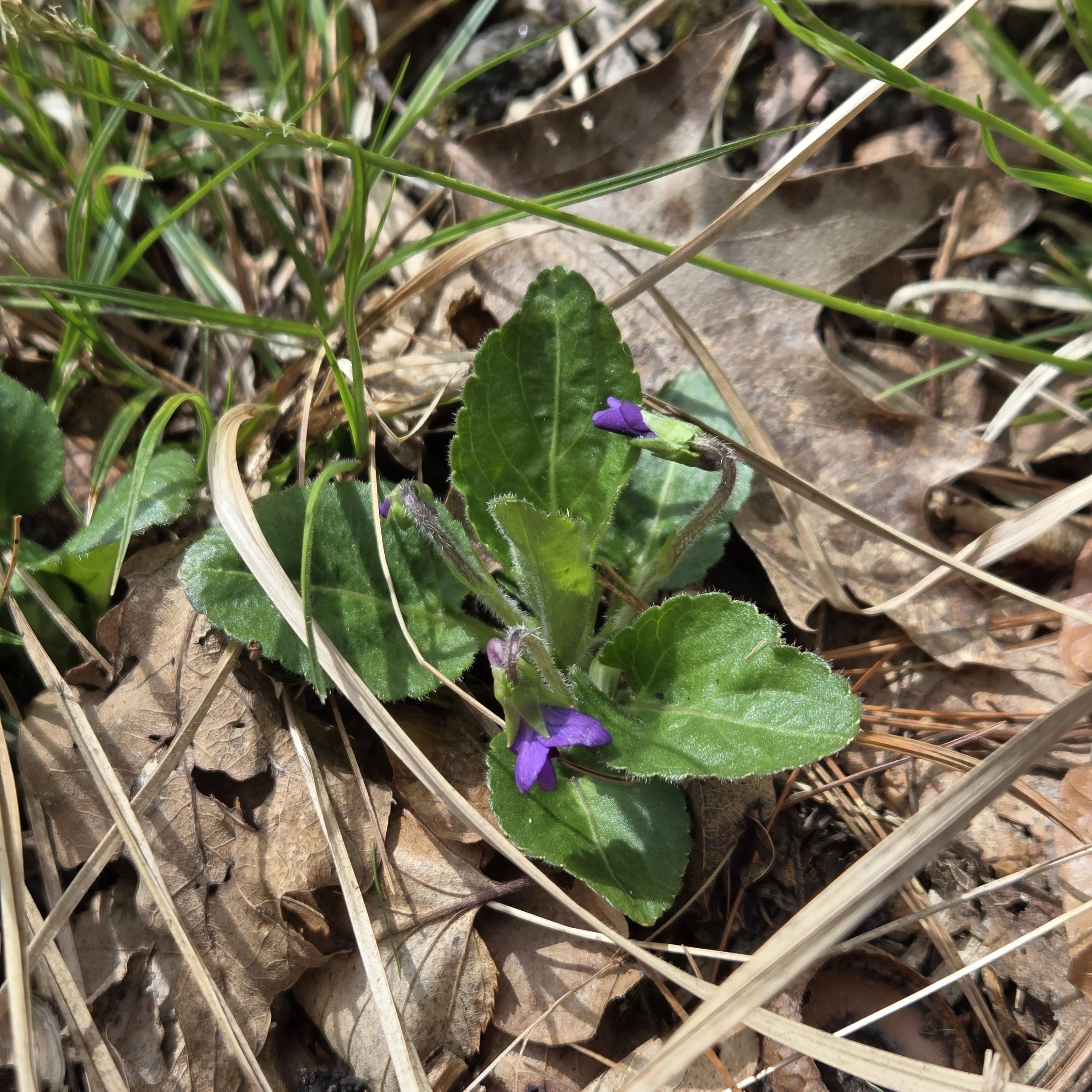


The story of the Dora N. Spalding Trail begins with the founding of the Monadnock Garden Club itself. Established in 1925, the Club set out with a clear conservation purpose: to “conserve and protect native trees and plants, while there is still something left to conserve.” At the time, members were concerned about destructive logging, the disappearance of wildflowers, roadside clearing, billboard advertising, and the spread of imported pests.
That early concern quickly became action. In 1927, Club member Louise Pierson proposed cooperating with the Society for the Protection of New Hampshire Forests, whose efforts included purchasing land on Mount Monadnock to protect it from private exploitation. The Monadnock Garden Club joined the Forest Society and contributed to the purchase of the first 2,800 acres in 1928.
Following the devastating hurricane of 1938, the Club’s Conservation Committee proposed creating a native plant sanctuary on Monadnock itself. In 1940, Nina Nightingale and Ruth Spalding were asked to search for a suitable site. They selected a portion of the old Bridle Path property, part of a larger parcel donated to the Forest Society in 1939 by Elizabeth Poole. The Forest Society granted the Monadnock Garden Club permission to use 7.8 acres of the property as a native plant sanctuary.
Soon afterward, the trail was renamed the Dora N. Spalding Trail in honor of the Monadnock Garden Club’s first president and her dedication to conservation.
Generations of Stewardship
For more than 85 years, generations of Monadnock Garden Club members have cared for this landscape. Members have cleared and maintained trails, planted native species, built rustic bridges over seasonal streams, placed granite benches along the main trail, and commissioned two granite stairways to improve access to the Dell.
Side trails were gradually developed to special areas including the Boulder, the Dell, the Bog, and the upper Open Planting area. Community members have also joined Club volunteers in caring for the property, and over the decades the trail has become a place where visitors can walk, observe, and connect with the natural world.
A Living Collection
The trail has also been shaped by several notable plant collections. Following the 1938 hurricane, a large group of rhododendrons from the Rhododendron State Park was given to the Club and planted along the trail. Those plants have matured into the distinctive rhododendron tunnel visitors experience today.
Dr. Benjamin Allison, a member of the American Fern Society, also contributed ferns from his collection. At one point, approximately 50 different fern varieties were growing on the property, and by 1949 some 400 plant species had been identified along the trail and surrounding sanctuary.
That work continues today. Most recently, through a Garden Club of America Partners for Plants grant, 100 native plants were added to a selected area beside the trail.
Conservation, Then and Now
What began as a native plant sanctuary in 1940 remains an active expression of the Monadnock Garden Club’s original conservation mission. The methods have evolved, but the intention has remained remarkably consistent: to observe carefully, protect thoughtfully, and leave something of value for the generations that follow.
Today, that stewardship includes not only maintaining the trail and its plant communities, but also documenting the wildlife and natural systems that depend upon this landscape. The Dora N. Spalding Trail continues to be what its founders hoped it would become: a place for conservation, learning, and connection to the natural world.
Historical information adapted from “A Brief History of the Monadnock Garden Club of Jaffrey, New Hampshire and the Dora N. Spalding Trail,” by Mary Bradley.
Photos captured by Jennifer H. Campbell